


Only 20% of employees worldwide were engaged at work in 2025, according to Gallup’s State of the Global Workplace 2026 report. Four in ten said they felt a lot of stress the previous day, and managers reported it more often than the people they lead: 45% compared with 39%.
HR teams track those numbers through annual and pulse surveys. But the forces behind those numbers show up in everyday work long before a survey asks: who helps whom, which skills people rely on, and which teams carry heavy workloads.
And peer recognition is one of the few places employees actually put their colleagues’ contributions in writing. A new analysis of 2.6 million recognition messages, released November 4 by Workhuman, shows what those messages reveal: the skills people use, how teams work together, and where burnout may be starting.
For HR leaders planning 2027, that turns recognition from a culture program into a source of workforce insight. Here, we look at what recognition data shows, why it works better alongside employee profiles and your company directory, and immediate steps HR teams can take to put it to work.
What 2.6 Million Recognition Messages Show About How Work Gets Done
The study used natural language processing to read the messages at scale. It found three patterns that most HR systems don’t capture.
Recognition Names the Skills People Actually Use
About four in five recognition messages in the dataset named at least one identifiable skill, according to the study. When a teammate thanks someone for untangling a vendor contract or coaching a new hire through their first launch, they are actually describing a skill in context.
That makes recognition a useful complement to self-reported skills lists, which people rarely update after onboarding.
Collaboration Crosses Department Lines
In the same dataset, 43% of recognition awards crossed departmental lines. An org chart shows reporting lines. Recognition shows who people rely on for help, including the colleagues in other departments who keep cross-functional projects moving.
Language Tracks Shifts in Culture and Strain
The words people use in recognition also change over time:
- AI and digital work: Themes related to AI and digital work rose from about 1.6% of messages in January 2025 to 3.8% in June 2026.
- Psychological safety: Related language rose from about 9.8% to 11.1% over the same period.
- Workplace strain: Language tied to heavy workloads, schedule pressure, and exhaustion held steady at about 17.2% of messages in June 2026.
That last finding matters for burnout. Recognition messages often thank people for staying late, covering a gap, or pushing through a crunch. Taken together, those thank-yous can point to overworked teams before engagement surveys or exit interviews.
It also lines up with Gallup’s data. If managers carry more stress than the people they lead, knowing where extra effort is building up helps them rebalance work sooner.
Why Recognition Works Better Inside Employee Profiles and the Company Directory
Peer recognition data only helps if you can connect it to people, roles, and teams. When recognition runs in a standalone tool, a message says “thanks, Priya,” but not that Priya is a senior analyst on the finance team who reports to the VP of FP&A and joined eight months ago. Someone has to stitch that context back together before anyone can learn from it.
In GoProfiles, recognition lives alongside the rest of your people data:
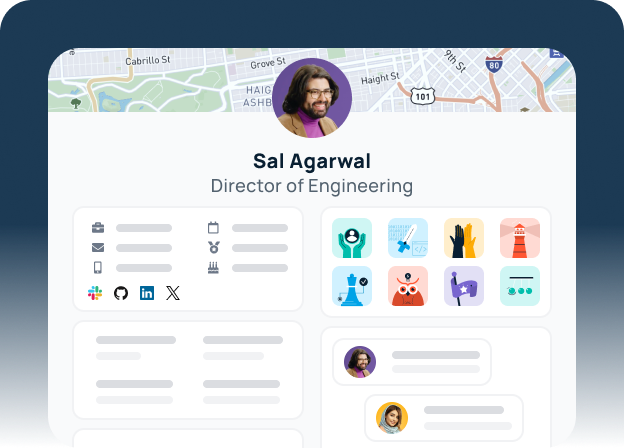
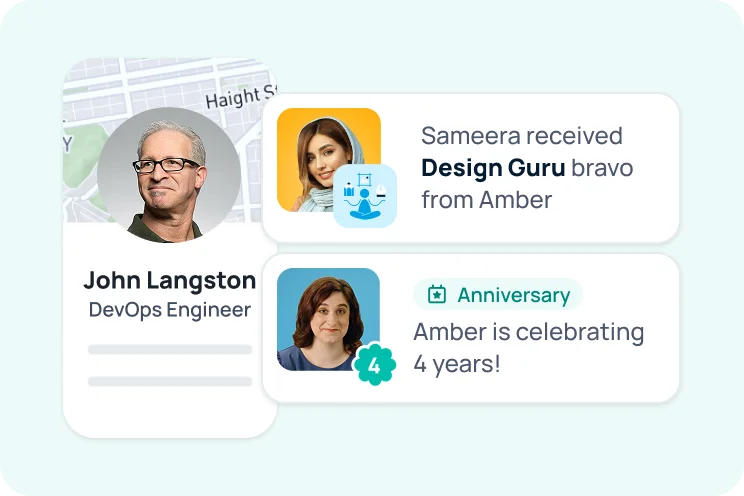
- Employee profiles show each person’s role, team, skills, and the recognition they’ve received, so a Bravo becomes part of how colleagues understand what someone does well.
- The company directory and org chart sync with your HRIS, so every recognition message ties to an up-to-date team, department, and manager.
- Peer recognition happens where people already work, including Slack and Microsoft Teams, which keeps participation high and the data set broad.
Connecting recognition to people data lets HR answer questions like these: Which skills show up most on the support team? Which engineers get recognized by sales? Which departments see the most late-night thank-yous? With recognition tied to profiles and the directory, those answers come from data you already have.
How HR Teams Can Turn Peer Recognition Into Skills and Collaboration Insights
You don’t need a research team to start learning from recognition. These five steps work at any company size.
- Make recognition specific. Encourage people to name what the person did and why it mattered. “Thanks for your help” tells you little. “Thanks for rebuilding the onboarding checklist before the new cohort started” names a skill and an outcome.
- Tie every message to a profile. Run recognition through a tool connected to your directory and HRIS, so each message carries team, role, and manager context without manual cleanup.
- Review recognition by team each quarter. Look at volume, the skills people mention, and how often recognition crosses departments. Teams that give or receive little recognition, or recognize only within their own group, may be isolated.
- Watch for strain language. Track how often messages thank people for extra hours, weekend work, or covering gaps. A rising share on one team is a prompt for a manager conversation, not a performance issue.
- Feed findings into talent decisions. Use recognized skills to inform internal mobility, project staffing, and mentorship matches, and share patterns with managers so they can act on them.
One caution: recognition reflects what people choose to notice, so it can miss quieter contributors. Pair it with surveys, one-on-ones, and manager input rather than treating it as a full picture, and be transparent with employees about how you use the data.
Put Peer Recognition Data to Work
Every recognition message captures a skill someone used, a teammate they helped, and the pressure they worked under. Together, those messages show how work gets done. With only 20% of employees engaged worldwide, HR teams need earlier signals than an annual survey can give. Recognition data highlights where to act: which skills to develop, which teams to connect, and where to ease workloads.
GoProfiles puts employee profiles, your company directory, and peer recognition in one place, so every recognition message comes with the context you need to act on it. Book a demo and see what your team’s recognition is already telling you.
Build a culture of connection and recognition with GoProfiles
Schedule a demo