

How do GoProfiles and Pingboard compare?
Quick answer: GoProfiles is a strong Pingboard alternative for teams that need broad HRIS connectivity, continuously updated employee profiles, employee-facing people search, peer recognition, and engagement features. Pingboard remains worth considering when a visual org chart and directory are the primary requirements.
Teams comparing GoProfiles and Pingboard are usually evaluating more than an org chart. They need accurate HRIS-connected employee data, a searchable employee directory, an org chart employees can trust, and engagement features that encourage people to return.
GoProfiles is the stronger fit for organizations that want an employee directory and org chart combined with peer recognition, rewards, AI-powered people search, and workforce insights. Pingboard may be a better fit for teams that primarily need an org-chart-first directory experience or already have an established Workleap ecosystem.
This comparison covers the differences that matter most to HR, People, IT, and workplace leaders, including integrations, employee data accuracy, directory search, org charts, recognition, analytics, pricing, and implementation.
GoProfiles vs. Pingboard: At-a-glance comparison
| Category | GoProfiles | Pingboard |
|---|---|---|
| Primary strength | HRIS-connected employee hub with profiles, directory search, org charts, recognition, and rewards | Employee directory and org-chart experience with a strong focus on organizational structure |
| HRIS integrations | Supports 100+ HRIS platforms according to GoProfiles’ current product materials. Verify current connector availability for your systems. | Integration coverage varies by system and plan. Confirm current supported integrations directly with Pingboard or Workleap. |
| Employee directory | Searchable employee profiles with roles, skills, interests, contact information, and custom fields | Employee directory with core employee and reporting information |
| Org chart | Org charts automatically updated through connected employee data sources | Org-chart-first experience designed to visualize reporting relationships |
| AI people search | GoAI can answer questions about employee skills, locations, interests, roles, and reporting relationships | Confirm current AI-powered people search capabilities with Pingboard or Workleap |
| Employee recognition | Built-in peer recognition, customizable Bravo badges, celebrations, and reward options | Recognition capabilities may be more limited or may require adjacent tools. Confirm current functionality. |
| People analytics | Provides insights into company growth, departmental information, recognition, and workforce trends | Primarily focused on directory and organizational visibility. Confirm current analytics capabilities. |
| Best for | Companies that want a daily employee hub built on accurate HRIS data | Teams that primarily need employee directories and visual org charts |
| Pricing | See the current GoProfiles pricing page for plan details | Pricing and contract terms should be confirmed directly with Pingboard or Workleap |
Feature availability, integration counts, and pricing can change. Confirm current capabilities and commercial terms before making a purchasing decision.
What is GoProfiles?
GoProfiles is an AI-powered employee directory and engagement platform that combines employee profiles, org charts, directory search, peer recognition, rewards, employee maps, and people-data questions in one employee-facing experience.
GoProfiles connects to HRIS and other employee data sources so organizations can reduce manual profile maintenance and keep reporting relationships, job information, and employee details current. Employees can use GoProfiles to find coworkers, understand organizational relationships, discover skills and interests, and recognize contributions.
GoProfiles is designed for teams that need:
- An HRIS-connected employee directory
- Automatically updated org charts
- Searchable employee skills, roles, and interests
- AI-powered answers about people and organizational data
- Peer recognition and rewards
- An employee-facing hub that supports daily adoption
- Insights into employee data and recognition activity
What is Pingboard?
Pingboard is an employee directory and org-chart platform focused on helping organizations visualize reporting relationships and help employees find coworkers. Pingboard is now associated with Workleap, so buyers should confirm the current product structure, integrations, roadmap, pricing, and support model before evaluating it.
Pingboard may be a reasonable choice for teams that primarily want a visual organization chart and employee directory without requiring a broader employee engagement platform.
Pingboard may be a fit when:
- The main requirement is an org chart and employee directory
- The organization already uses Workleap products
- Employees are satisfied with the current Pingboard experience
- The team does not need built-in recognition, rewards, or AI-powered people search
- Switching costs would outweigh the benefits of changing platforms
Why are companies looking for Pingboard alternatives?
Organizations typically evaluate Pingboard alternatives when their employee directory or org chart is difficult to maintain, does not integrate with their HR systems, or is not used regularly by employees.
Common evaluation triggers include:
Employee data is difficult to keep accurate
A directory loses value when employees cannot trust the information it contains. Common problems include:
- Outdated job titles or departments
- Incorrect reporting relationships
- New hires missing from the directory
- Delayed updates after reorganizations
- Manual work for HR and IT administrators
- Limited control over which fields are editable or synchronized
HRIS integrations, field mapping, sync frequency, and failure handling should be evaluated before choosing any Pingboard alternative.
The org chart is useful only during onboarding
An org chart can help employees understand reporting relationships, but a directory becomes more valuable when employees use it throughout the year.
Recognition, celebrations, employee maps, searchable skills, and AI-powered people discovery can give employees additional reasons to return to the platform after onboarding.
Employees need to search by skills and interests
Employees do not always know a coworker’s name or department. They may instead need to find someone who knows a specific tool, speaks a particular language, lives in a certain location, or has worked on a particular type of project.
GoProfiles supports employee profiles and people search designed around these broader discovery needs. Confirm which employee fields are searchable and how those fields are maintained before selecting a platform.
Buyers want more than an org chart
Some teams are looking for a complete employee hub rather than a standalone organizational chart. Their requirements may include:
- Employee profiles
- Recognition and rewards
- Employee maps
- Employee celebrations (Bravos)
- Workforce insights
- AI-powered questions about people data
- Integrations with collaboration tools
- Integration with other GoLinks products; GoLinks and GoSearch
How do GoProfiles and Pingboard compare for HRIS integrations?
GoProfiles is designed to sit on top of HRIS data and provide an employee-facing directory, org chart, and engagement experience. GoProfiles’ current product materials state that the platform supports more than 100 HRIS integrations.
Pingboard integration coverage should be reviewed based on the buyer’s specific HRIS, identity provider, data model, and plan. Do not evaluate integration count alone. The more important questions involve data mapping, sync frequency, multiple data sources, governance, and error handling.
Before choosing a Pingboard alternative, ask:
- Does the platform connect to our current HRIS?
- Can it support future HRIS changes?
- Can administrators map fields to match our internal terminology?
- Can multiple employee data sources be synchronized?
- How often does synchronization occur?
- What happens when a sync fails?
- Which fields are HRIS-controlled?
- Can custom fields be added and searched?
- How are contractors, inactive employees, and temporary workers handled?
What employee fields should an HRIS sync include?
Common synchronized fields include:
- Name and work email
- Job title
- Department
- Manager and reporting line
- Location and time zone
- Hire date and tenure
- Employee status
- Skills, certifications, or custom profile fields
The exact fields available depend on the source system, connector, permissions, and configuration. Confirm the supported field mapping before implementation.
Which platform has the better employee directory?
GoProfiles is the stronger choice when the employee directory needs to support search by more than name, title, or department. Its employee profiles can include skills, interests, location, achievements, and other organization-specific information.
Pingboard may be sufficient for teams that mainly need:
- Basic employee contact information
- Reporting relationships
- A visual org chart
- A central place to find employee profiles
The best directory is the one employees trust and use. During an evaluation, test how quickly employees can find a person by role, expertise, location, interest, or reporting relationship.
Which platform has the better org chart?
Pingboard has an org-chart-first positioning, while GoProfiles includes org charts as part of a broader employee directory and engagement platform.
GoProfiles is a strong fit when the org chart must:
- Update automatically from HRIS data
- Connect to searchable employee profiles
- Support employee discovery beyond reporting lines
- Work alongside recognition and employee engagement features
- Remain useful after onboarding
- Ability to filter org chart by role, title and location with an employee maps view
Pingboard may be a better fit when the primary requirement is:
- A visual representation of reporting relationships
- An org-chart-focused user experience
- A familiar directory for an existing Pingboard user base
When evaluating org-chart software, test:
- Manager relationship accuracy
- Navigation for large organizations
- Search speed
- Reorganization workflows
- Dotted-line or matrix relationships
- Contractor and inactive employee handling
- Mobile and collaboration-tool access
- Export and administration capabilities
Does GoProfiles include AI-powered people search?
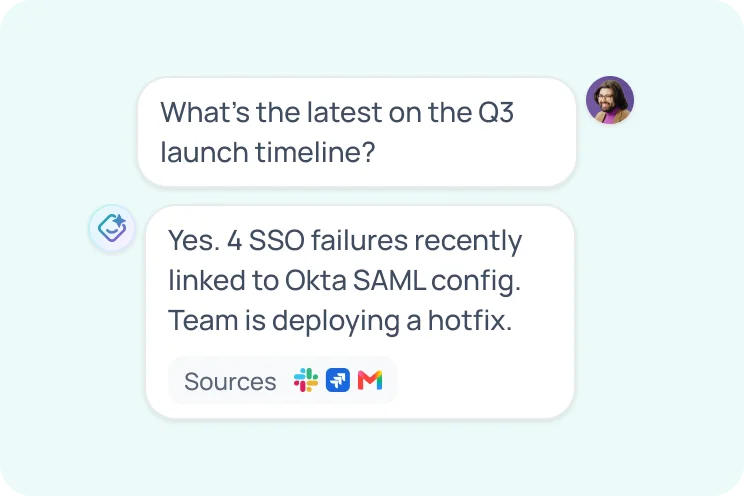
Yes. GoProfiles includes AI people search that can help employees ask questions about organizational data, skills, interests, locations, and reporting relationships.
Example questions include:
- “Who works in Colorado?”
- “Who knows Salesforce?” (sill-based organizations)
- “Who reports to [person]?”
- “Which employees are interested in basketball?”
- “Who has experience with [skill or technology]?”
AI answers are only as useful as the employee data behind them. Organizations should establish clear rules for data accuracy, field ownership, permissions, and profile visibility before enabling AI-powered people search.
Confirm the current availability, permissions model, and supported data sources for Pingboard or Workleap before making a direct AI feature comparison.
Does GoProfiles include employee recognition?
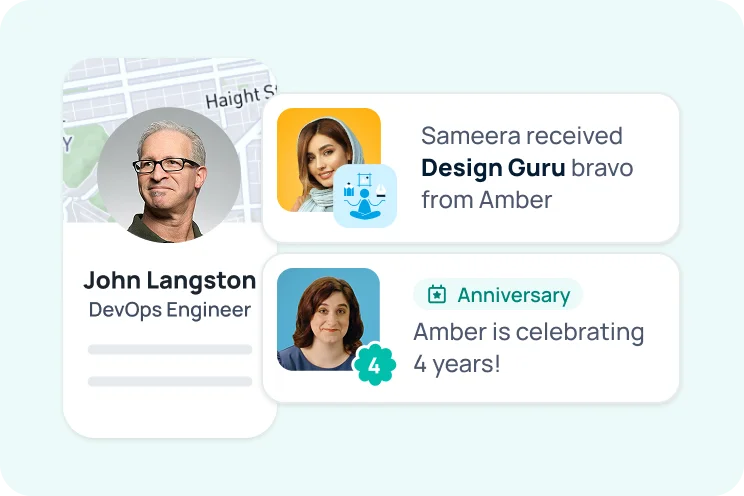
Yes. GoProfiles includes built-in peer recognition with integrations with both Microsoft Teams and Slack through customizable Bravo badges, celebrations, and reward options.
Recognition can help turn an employee directory into a platform that employees use regularly. It gives employees a reason to return for:
- New-hire announcements
- Birthdays
- Work anniversaries
- Peer recognition
- Achievement updates
- Team celebrations
- Reward redemption
Pingboard may be sufficient for teams that need only basic employee information and organizational visibility. Teams that want recognition to be a daily employee experience should compare the available recognition workflows, reward options, integrations, reporting, and administration tools.
Does GoProfiles include workforce analytics?
GoProfiles provides people analytics and insights related to company growth, departments, peer recognition, and workforce trends.
Analytics can help administrators understand:
- How the organization is changing
- How teams are distributed
- How recognition is being used
- Which departments or groups are represented
- How employees are engaging with the platform
Analytics capabilities vary by product, plan, data source, and permissions. Confirm which reports are available, whether data can be exported, and which users can access sensitive information.
How much do GoProfiles and Pingboard cost?
GoProfiles pricing should be reviewed on the current pricing page or confirmed through a sales quote. Pingboard pricing and contract terms should be confirmed directly with Pingboard or Workleap because pricing can vary by employee count, plan, features, implementation, and contract structure.
When comparing total cost, evaluate more than the subscription price:
- Number of employees included
- Minimum seat or headcount requirements
- Free plans or trials
- Implementation fees
- HRIS integration costs
- Premium support
- Security and administration features
- Data migration
- Contract length
- Renewal and price-increase terms
- Costs for recognition or rewards
- Costs for additional modules
Avoid describing one platform as cheaper unless you have current, comparable quotes for the same employee count, features, support level, and contract term.
When is GoProfiles the better Pingboard alternative?
Choose GoProfiles if your organization needs an employee directory and org chart that also support employee discovery, peer recognition, rewards, AI-powered people search, employee maps, and workforce insights.
GoProfiles is a strong fit when:
- HRIS integrations are important to data accuracy
- Employees need to search by skills, interests, or location
- The org chart should update automatically
- Recognition and rewards are part of the employee experience
- The platform needs to support daily employee adoption
- HR and IT want an employee-facing layer on top of existing people data
- The organization needs more than a static directory or org chart
When is Pingboard the better choice?
Choose Pingboard if your organization primarily needs a visual employee directory and org chart, already has an established Pingboard workflow, or is aligned with the Workleap ecosystem.
Pingboard may be the better choice when:
- The existing platform meets current directory and org-chart requirements
- Employees already use the product successfully
- The organization does not need built-in rewards or advanced engagement workflows
- The buyer prioritizes continuity over additional capabilities
- The current integration and data-maintenance process is reliable
- The cost and effort of migration are greater than the expected benefit
A competitor comparison is not a reason to switch by itself. Teams should compare current pain points, migration costs, data requirements, employee adoption, and expected business value.
How should you evaluate a Pingboard alternative?
Use this checklist before selecting GoProfiles or another employee directory platform.
Data and integrations
- Current HRIS compatibility
- Identity-provider compatibility
- API, SCIM, CSV, or hybrid sync methods
- Field mapping and transformation
- Multiple data-source support
- Sync frequency
- Error handling and notifications
- Editable versus HRIS-controlled fields
Employee experience
- Search by name, role, skill, interest, location, or department
- Profile customization
- Org-chart navigation
- Employee maps
- Mobile access
- Slack, Microsoft Teams, or other collaboration integrations
- Accessibility and ease of use
Engagement and adoption
- Peer recognition
- Rewards
- Celebrations
- New-hire announcements
- Employee groups
- Team-building features
- Analytics for employee participation
Security and administration
- SSO
- Role-based access control
- Provisioning and deprovisioning
- Audit logs
- Data retention
- Privacy controls
- Security documentation
- Administrative reporting
Commercial and implementation requirements
- Pricing model
- Minimum employee count
- Implementation timeline
- Migration support
- Customer success
- Contract terms
- Renewal conditions
- Additional integration or support fees
How does GoProfiles compare with other Pingboard alternatives?
GoProfiles is not the only Pingboard alternative. Different platforms are designed for different employee and HR use cases.
| Platform | Best fit | Key distinction |
|---|---|---|
| GoProfiles | Employee directory, org chart, recognition, rewards, and people discovery | Employee-facing platform built for daily connection and adoption |
| ChartHop | Workforce planning, compensation, performance, and people analytics | Broader HR and Finance workflows |
| Lattice | Performance management, goals, feedback, and compensation | Performance-centered employee experience |
| Bonusly | Recognition and rewards | Recognition-centered platform |
| Nectar | Employee recognition and rewards | Recognition and culture programs |
Export
Choose the product that matches your primary use case. GoProfiles is a strong choice when the goal is to make employee data easier to find, understand, and use across the organization.
Link this section to the dedicated alternatives hub:
Explore more GoProfiles alternatives.
Bottom line: Is GoProfiles a good Pingboard alternative?
GoProfiles is a strong Pingboard alternative for organizations that want more than a basic employee directory and org chart. It combines HRIS-connected employee data with searchable profiles, dynamic org charts, AI-powered people search, peer recognition, rewards, employee maps, and workforce insights.
Pingboard may remain the right choice for teams that primarily need an org-chart-first directory experience and are satisfied with their current workflows.
If your non-negotiable requirements are accurate HRIS-connected data, employee discovery, org charts, recognition, and daily adoption, GoProfiles is built for that combination.
Book a GoProfiles demo to see how the platform can work with your employee data and existing HR systems.
Frequently Asked Questions
What is the best Pingboard alternative in 2026?
GoProfiles is a strong Pingboard alternative for teams that need an HRIS-connected employee directory, dynamic org charts, peer recognition, rewards, and AI-powered people search. ChartHop, Lattice, Bonusly, and Nectar may be better fits when workforce planning, performance management, or recognition is the primary requirement.
Is GoProfiles better than Pingboard?
GoProfiles is better for organizations that want an employee directory and org chart combined with recognition, rewards, AI-powered people discovery, employee maps, and workforce insights. Pingboard may be better for teams that primarily need a visual org chart and directory or already have an established Workleap relationship.
What are the main Pingboard alternatives?
Common Pingboard alternatives include GoProfiles, ChartHop, Lattice, Bonusly, and Nectar. The best choice depends on whether the organization prioritizes employee directories, org charts, workforce planning, performance management, or recognition and rewards.
Does GoProfiles integrate with HRIS platforms?
Yes. GoProfiles is designed to connect with HRIS and other employee data sources. Current GoProfiles product materials state that the platform supports more than 100 HRIS integrations, but buyers should verify that their specific HRIS, field requirements, and synchronization needs are supported.
Does GoProfiles have an org chart?
Yes. GoProfiles includes org charts that can be updated through connected employee data sources. The org chart is part of a broader employee directory and engagement platform that also includes profiles, people search, recognition, rewards, and employee maps.
Does GoProfiles include employee recognition?
Yes. GoProfiles includes peer recognition through customizable Bravo badges, celebrations, and reward options. These features are designed to encourage employees to use the platform regularly rather than only during onboarding or organizational changes.
How much does a Pingboard alternative cost?
The cost of a Pingboard alternative depends on employee count, plan, integrations, implementation, support, and contract terms. Review current GoProfiles pricing and request a direct Pingboard or Workleap quote before making a side-by-side cost comparison.